
Home Inspection Preparation Tips for a Successful Outcome

Buying a home in Oklahoma is an exciting journey, but it comes with its share of challenges. One of the most critical steps in this process is the home inspection. A thorough inspection can reveal hidden issues that might affect your decision or negotiation power. From my experience working with buyers and agents here, I know that preparing your home for inspection can make a significant difference. It’s not just about ticking boxes; it’s about creating an environment where the inspector can do their job efficiently and you can feel confident about your investment.
Essential Home Inspection Preparation Tips
Preparing your home for inspection doesn’t have to be overwhelming. With a few practical steps, you can help the inspector focus on what matters most and avoid unnecessary delays or surprises. Here are some key tips that I always recommend:
Clear Access to Key Areas
Inspectors need to check the furnace, water heater, electrical panels, attic, and crawl spaces. Make sure these areas are easily accessible by removing clutter, boxes, or furniture. For example, in many Oklahoma homes, basements or utility closets can get crowded with storage. Clearing these spaces helps the inspector move around safely and thoroughly.
Fix Minor Repairs
Small issues like dripping faucets, loose handrails, or cracked windows might not cause a home to fail inspection, but they can raise red flags. Taking care of these minor repairs beforehand shows that the home has been well-maintained. It also prevents the inspector from focusing too much on avoidable problems.
Ensure All Utilities Are On
The inspector will test plumbing, electrical systems, heating, and cooling. Make sure all utilities are turned on and functioning. In Oklahoma, where temperatures can swing dramatically, a working HVAC system is crucial to check. If utilities are off, the inspection might be incomplete or need rescheduling.
Clean and Tidy Up
A clean home makes a better impression and allows the inspector to spot issues more easily. Sweep floors, clear counters, and tidy up bathrooms. This doesn’t mean a deep spring cleaning, but a neat environment helps everyone stay focused.
Provide Documentation
If you have records of past repairs, maintenance, or warranties, have them ready. This information can clarify questions and demonstrate the home’s upkeep history.

A home inspection doesn't have a pass or fail outcome
Understanding what can cause a home to "fail" inspection is just as important as preparation. While every home is unique, some common issues tend to raise red flags:
Structural Problems
Foundation cracks, uneven floors, or signs of water damage in the basement can indicate serious structural concerns. In Oklahoma, soil conditions sometimes cause foundation shifts, so inspectors pay close attention here.
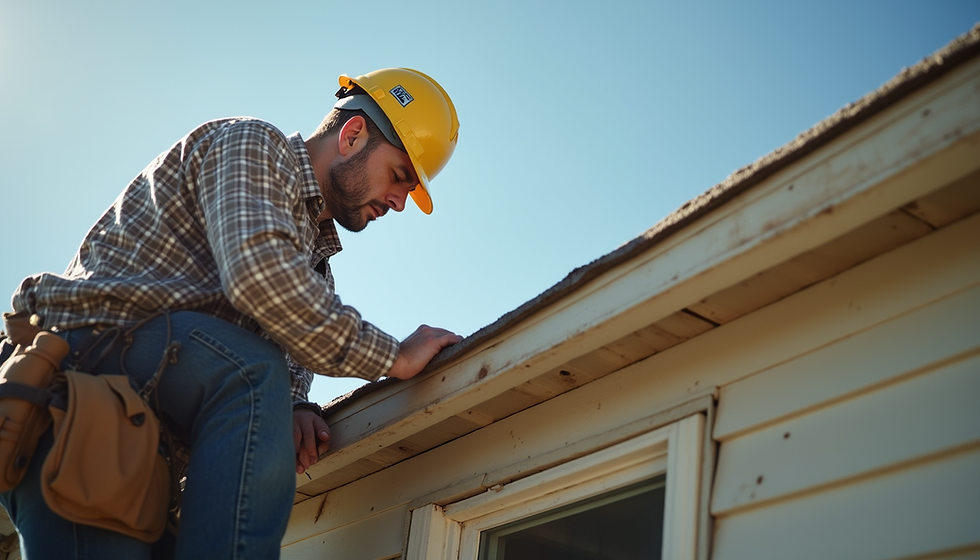
Roof Damage
Missing shingles, leaks, or poor drainage can lead to costly repairs. A roof in poor condition is a major concern for buyers and can be a deal-breaker.
Electrical Hazards
Outdated wiring, overloaded circuits, or missing ground fault circuit interrupters (GFCIs) in wet areas are safety risks. Inspectors look for these to ensure the home meets current safety standards.
Plumbing Issues
Leaks, low water pressure, or outdated pipes can cause damage and inconvenience. Water stains on ceilings or walls often point to hidden leaks.
HVAC Problems
A malfunctioning heating or cooling system can be expensive to replace and uncomfortable for the new owner. Inspectors test these systems thoroughly.
Pest Infestations
Signs of termites, rodents, or other pests can lead to structural damage and health concerns.
If any of these issues are present, it doesn’t necessarily mean the home is a lost cause. But it does mean you’ll want to discuss repairs or price adjustments with the seller.

How to Prepare Your Home for an Inspection
If you want to dive deeper into how to prepare your home for an inspection, there are plenty of resources available. But here are some additional practical steps that go beyond the basics:
Test Smoke and Carbon Monoxide Detectors
These safety devices are required in most homes and must be functional. Replace batteries if needed and ensure they are installed in the right locations.
Check Exterior Drainage
Water pooling near the foundation can cause damage over time. Make sure gutters are clean and downspouts direct water away from the house.
Replace Burned-Out Light Bulbs
Inspectors check lighting fixtures and switches. Replacing bulbs is a simple fix that avoids unnecessary notes on the report.
Trim Trees and Shrubs
Overgrown vegetation can hide damage or block access to the home’s exterior. Keeping landscaping neat helps the inspector do a thorough job.
Secure Pets
If you have pets, make arrangements to keep them safely away during the inspection. This helps the inspector focus and prevents any distractions or safety concerns.
Why Choosing the Right Inspector Matters
Not all home inspections are created equal. In Oklahoma, where weather and soil conditions can uniquely affect homes, working with an experienced inspector is crucial. A good inspector goes beyond the checklist. They explain findings clearly, answer your questions, and provide actionable advice.
From my experience, companies like D1 Inspection stand out because they combine technical expertise with a friendly, client-focused approach. They don’t just point out problems; they help you understand the implications and next steps. This kind of partnership builds trust and confidence, which is exactly what you need when making one of the biggest investments of your life.
Final Thoughts on Preparing for Your Home Inspection
Preparing your home for inspection is about more than just passing a test. It’s about setting the stage for a smooth transaction and protecting your investment. By following these tips, you’ll help the inspector do their job efficiently and get a clear picture of the home’s condition.
Remember, a successful home inspection is a team effort. You, your agent, and your inspector all play important roles. Taking the time to prepare shows you’re serious and proactive. It also helps avoid surprises that can delay closing or cause stress.
If you want to learn more about how to prepare your home for inspection or need a trusted inspector in Oklahoma, don’t hesitate to reach out. A little preparation goes a long way toward a confident, successful home purchase.
Ready to make your home inspection a smooth experience? Start with these preparation tips and partner with experts who care.

Comments