
The Importance of Roof Inspections: Why Regular Checks Matter

When it comes to protecting your home, the roof is your first line of defense against Oklahoma’s unpredictable weather. From scorching summer heat to sudden storms, your roof takes a beating year-round. That’s why I always stress the importance of regular roof inspections. It’s not just about spotting a leak or two; it’s about safeguarding your investment, preventing costly repairs, and ensuring your family stays safe and dry.
If you’ve ever wondered why a simple check-up on your roof can make such a difference, let me walk you through the key reasons why regular roof inspections should be a priority for every homeowner.
Understanding the Importance of Roof Inspections
Think of your roof like a car. You wouldn’t wait until the engine breaks down to get it checked, right? The same goes for your roof. Regular inspections help catch small issues before they turn into major problems. In Oklahoma, where weather can shift quickly, a minor crack or missing shingle can lead to water damage, mold growth, or even structural issues.
For example, after a heavy hailstorm, many roofs suffer unseen damage. Without a timely inspection, these damages go unnoticed and worsen over time. A professional inspection can identify these weak spots early, allowing you to fix them before they cause leaks or compromise your home’s integrity.
Regular inspections also extend the life of your roof. By addressing minor wear and tear, you avoid premature roof replacement, saving thousands of dollars in the long run. It’s a smart, proactive approach that pays off.

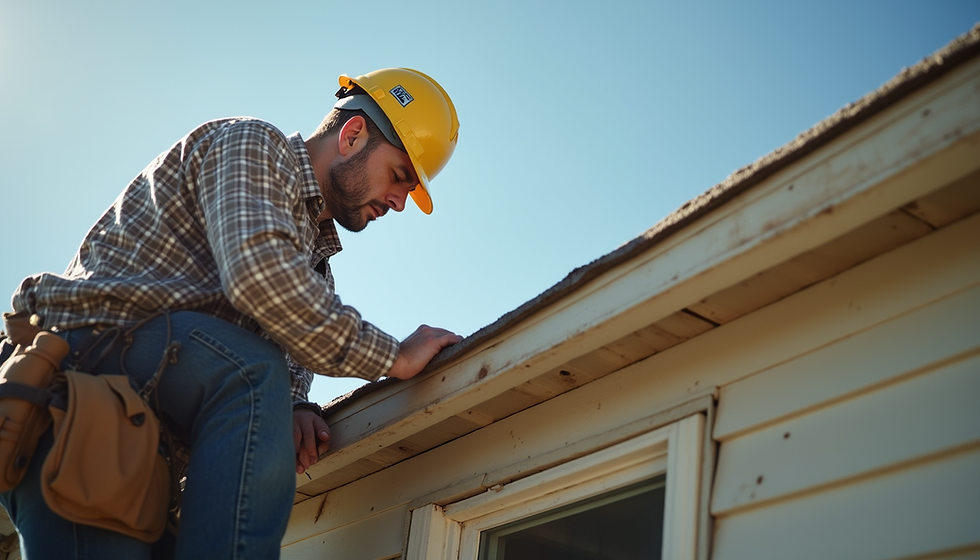
Caption: A thorough roof inspection helps identify hidden damage before it worsens.
What Happens During a Roof Inspection?
A roof inspection is more than just a quick look from the ground. When I talk about a roof inspection, I mean a detailed, methodical process that covers every inch of your roof. Here’s what typically happens:
Visual Examination - The inspector checks for obvious signs of damage like missing shingles, cracks, or rusted flashing.
Structural Assessment - They look for sagging areas or signs of water damage inside the attic or ceiling.
Material Condition - The condition of shingles, tiles, or metal panels is evaluated to see if they are still effective.
Gutter and Drainage Check - Proper drainage is crucial to prevent water pooling and leaks.
Ventilation and Insulation Review - Poor ventilation can cause moisture buildup, leading to mold and rot.
This thorough approach ensures nothing is missed. It’s not just about ticking boxes; it’s about understanding your roof’s health and what it needs to keep protecting your home.
Does Insurance Pay for a Roof Inspection?
One question I often hear is whether homeowners insurance covers the cost of a roof inspection. The answer is usually no. Most insurance policies don’t pay for routine inspections because they are considered maintenance, not repairs.
However, if your roof has suffered damage from a covered event like a hailstorm or wind damage, your insurance might cover the cost of an inspection related to a claim. In those cases, the inspection helps document the damage and supports your claim process.
It’s important to check your specific policy and talk to your insurance agent. Even if insurance doesn’t cover the inspection, the cost is a small price to pay compared to the potential expenses of undetected roof problems.

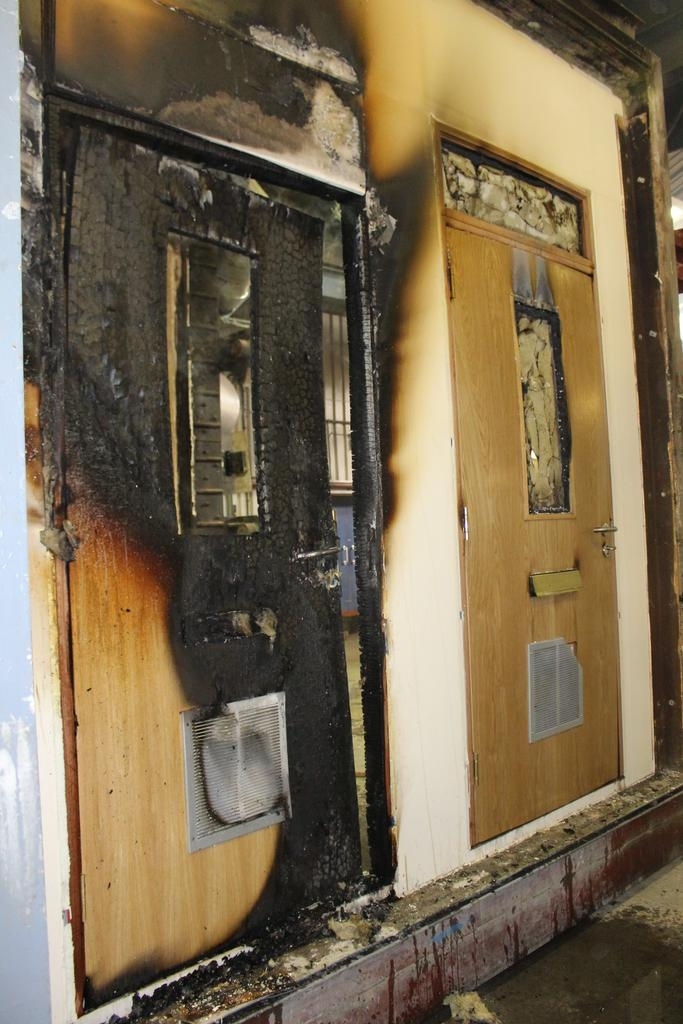
Caption: Close inspection reveals hail damage that could lead to leaks if left untreated.
How Often Should You Schedule a Roof Inspection?
In Oklahoma, I recommend scheduling a roof inspection at least twice a year - ideally in spring and fall. These seasons are perfect because they follow the harsh winter and summer months, allowing you to catch any damage caused by extreme weather.
Additionally, after any major storm, it’s wise to get an inspection. Storms can cause hidden damage that might not be obvious right away but can worsen over time.
If your roof is older than 10 years, more frequent inspections are a good idea. Aging roofs are more vulnerable to wear and tear, and catching issues early can extend their lifespan.
Why Choose a Professional Over DIY Inspections?
It might be tempting to climb up on your roof and take a look yourself. But here’s the thing - professional inspectors bring experience, knowledge, and safety equipment that most homeowners don’t have.
Professionals know exactly what to look for, including subtle signs of damage that can easily be missed. They also have the tools to safely access all parts of your roof, including tricky areas like chimneys and valleys.
For example, a homeowner might spot a few missing shingles but miss underlying water damage or poor ventilation issues. A professional inspection goes beyond the surface to give you a complete picture.
Choosing a trusted company that goes beyond the basic checklist means you get detailed reports, photos, and recommendations tailored to your roof’s specific needs. This kind of service builds trust and helps you make informed decisions.
Taking Action After an Inspection
Once your roof inspection is complete, you’ll have a clear understanding of your roof’s condition. The next step is crucial - acting on the findings.
Minor Repairs: Fixing small issues like replacing a few shingles or sealing cracks can prevent bigger problems.
Maintenance: Cleaning gutters, improving ventilation, or applying protective coatings can extend your roof’s life.
Major Repairs or Replacement: If the inspection reveals significant damage, it might be time to plan for a roof replacement.
Don’t delay repairs. Ignoring problems can lead to water damage inside your home, mold growth, and even structural issues that are costly to fix.
Final Thoughts on Roof Care
Regular roof inspections are a smart investment in your home’s future. They help you avoid surprises, save money, and keep your family safe. In Oklahoma’s climate, where weather can be tough on roofs, staying proactive is the best strategy.
Remember, a roof inspection is not just a formality - it’s a detailed health check for your home’s most important shield. By scheduling regular inspections and trusting professionals who go beyond the basics, you’re making a choice that pays off in peace of mind and long-term savings.
Taking care of your roof means taking care of your home. Don’t wait for a leak to remind you - get your roof inspected regularly and keep your home protected year-round.

Comments