
A Guide to Understanding Home Inspection Reports

Buying a home is one of the most significant investments you'll ever make. To protect that investment, understanding home inspection reports is essential. These reports provide valuable insights into the home's condition, helping you make informed decisions. This guide will walk you through the essentials of home inspection reports, from the basics to how to interpret them effectively.
What are Home Inspections?
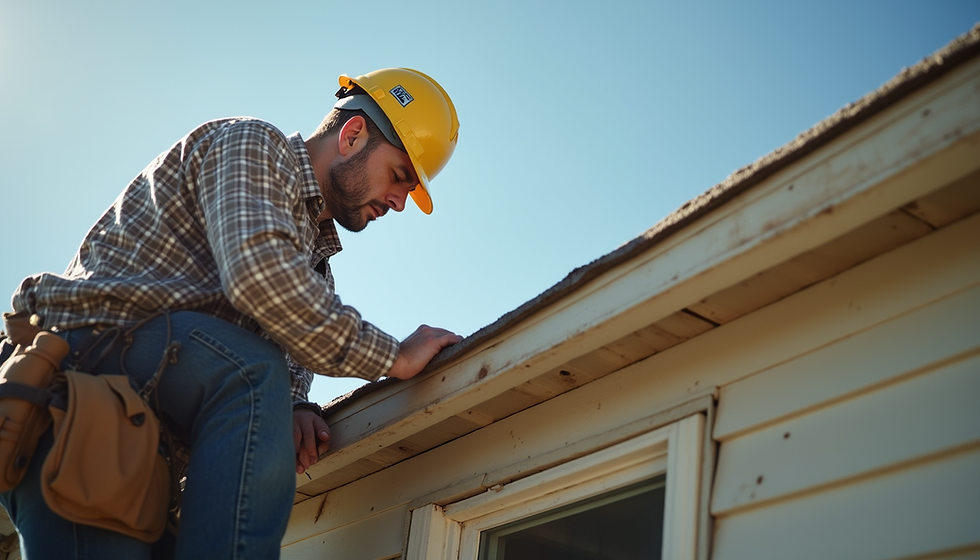
Home inspections are comprehensive evaluations of a property's condition. They typically take place before a home purchase and are conducted by licensed professionals. The inspector examines various elements of the home, including the structure, systems, and components. This examination helps identify any issues that could affect the home’s safety, livability, or value.
The inspector provides a detailed report about their findings and recommendations. These reports are crucial, as they can influence your buying decision. They typically cover the following areas:
Roof
Foundation
Electrical systems
Plumbing
HVAC (Heating, Ventilation, and Air Conditioning)

Why are Home Inspections Important?
Home inspections serve several important purposes. Here are a few reasons why you should never skip this critical step in the buying process:
Identify Hidden Problems: Some issues may not be visible to the untrained eye. An inspector can uncover hidden problems such as pest infestations, water damage, or faulty wiring.
Negotiate Repairs: If significant issues arise during the inspection, you can negotiate with the seller to address these repairs before finalizing the sale.
Peace of Mind: Knowing the property's condition gives you confidence in your purchase. A home is a significant investment, and understanding its strengths and weaknesses can help you make an informed decision.
Future Planning: Inspection reports help you budget for future repairs and upgrades. For example, if the HVAC system is nearing the end of its lifespan, you can plan for a replacement.

What are the Three Main Types of Inspections?
Home inspections come in various types, each serving a unique purpose. Understanding these types can help you choose what’s best for your needs. Here are the three main types of inspections:
1. General Home Inspection
A general home inspection covers the entire property. Inspectors evaluate major systems and components, reporting on their condition and identifying any potential issues. This type of inspection is the most common and is often required by lenders.
2. Specialized Inspections
Sometimes, a general inspection may not suffice. In this case, specialized inspections cater to specific areas of concern. Examples include:
Pest Inspections: Focus on termite and pest infestations.
Mold Inspections: Identify mold presence and moisture problems.
Radon Inspections: Test for the presence of radon gas, a hazardous carcinogen.
3. Pre-Listing Inspection
A pre-listing inspection is conducted before a home goes on the market. Sellers use it to identify and address issues proactively, potentially increasing the property's value and making it more appealing to buyers.

Decoding the Inspection Report
Understanding the inspection report is crucial, as it's often packed with technical language and industry jargon. Here's how to make sense of it:
1. Review the Summary Section
Most inspection reports begin with a summary of major concerns. This section highlights critical issues that require immediate attention. Reading this first can give you a fast overview of the property's condition.
2. Pay Attention to Severity Levels
Inspectors often categorize issues as either:
Critical: Major safety hazards, such as electrical problems or structural damage.
Moderate: Issues that need attention but are not urgent.
Minor: Cosmetic concerns that can be addressed later.
Understanding these categories helps prioritize repairs.
3. Look for Recommendations
Inspectors typically offer recommendations for repairs or further evaluations. Pay close attention to these suggestions, especially for issues flagged as critical or moderate. You might need to consult specialists for areas like plumbing or electrical work.
4. Use Visuals
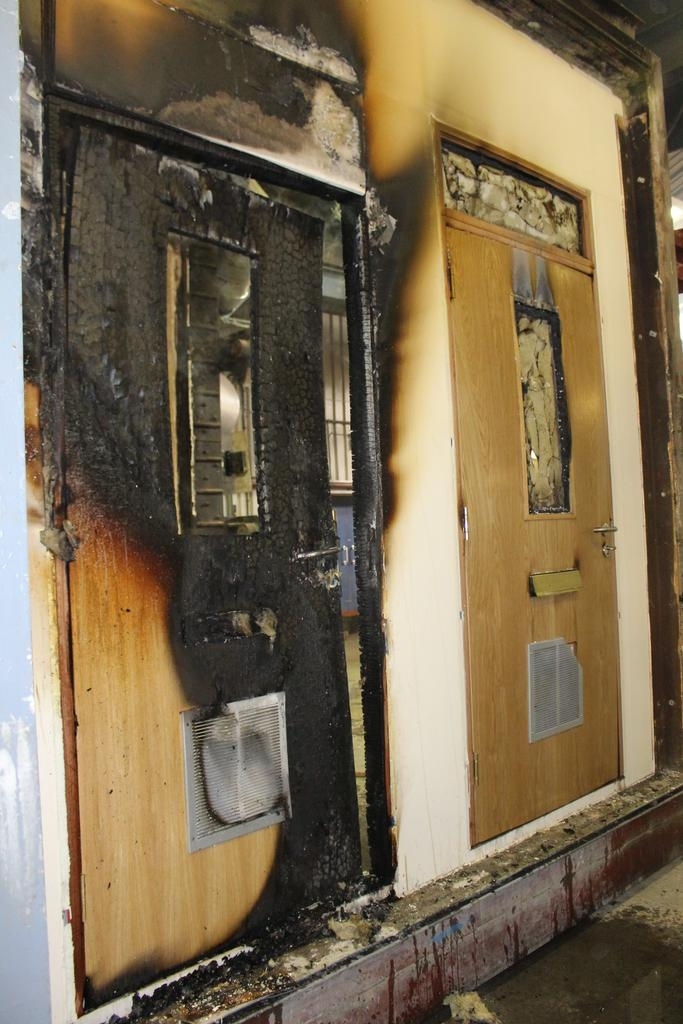
Many reports include photographs to support findings. Visual evidence can help you grasp the severity and context of issues. If any pictures are unclear, don’t hesitate to ask the inspector for clarifications.
Common Issues Found in Home Inspection Reports
While each home is unique, certain problems frequently appear in home inspection reports. Being aware of these common issues can prepare you for potential challenges as a homebuyer:
Roof Condition: Roofs can show signs of wear and age, such as missing shingles or leaks. Inspectors will evaluate the roof's condition and provide information about its remaining lifespan.
Electrical Problems: Wiring issues, outdated electrical panels, or lack of GFCI outlets are common electrical concerns. These can pose serious safety risks and often require professional remediation.
Plumbing Issues: Leaks, corroded pipes, and poor water pressure can arise. Inspecting the plumbing system is critical, as these problems can lead to costly repairs if not addressed.
Foundation Cracks: Hairline cracks in the foundation may not be serious, but larger cracks could indicate structural concerns. Inspectors often focus on the foundation's overall stability.
HVAC System Age and Functionality: Inspectors will evaluate the age, condition, and operational efficiency of heating and cooling systems. An aging system may need repairs or replacement soon.
Understanding these common issues can help you prepare for potential repairs and maintenance once you purchase the home.
What to Do After Receiving Your Report
After receiving your home inspection report, here’s what you should do next:
1. Review With Your Agent
Schedule a meeting with your real estate agent to discuss the findings. They can help you interpret the report and advise on your next steps. Having a professional's perspective can be incredibly valuable.
2. Prioritize Repairs
Determine which issues need immediate attention and which can be postponed. Focus on critical safety issues first, such as electrical or plumbing concerns.
3. Negotiate Repairs with the Seller
Based on the report, you can negotiate with the seller to address significant issues before closing the sale. You might request repairs or a price reduction to cover the costs of addressing the problems.
4. Plan for Future Repairs
Use the inspection report to plan for forthcoming repairs and maintenance. Understanding the state of various systems can help you budget appropriately.
5. Verify Repairs
If the seller agrees to make repairs, consider hiring a qualified inspector to verify that the work has been completed satisfactorily. This step ensures that any promises made during negotiations are honored.
Home inspections are fundamental in the home-buying process. They protect your investment and help you make educated decisions. By understanding the nuances of the inspection report and acting responsibly on the findings, you pave the way for a successful home purchase.
For expert guidance on home inspections, consider reaching out to d1 home inspections, to ensure you make the best-informed decisions about your future home.


Comments