
What Sets Certified Property Inspectors Apart from the Rest
- D1 Home Inspections

- Jul 14, 2025
- 4 min read
The world of real estate is both complex and competitive. When potential buyers seek a new home, one significant factor that influences their decision-making process is the property inspection. Understanding what makes certified property inspectors stand out can help buyers, sellers, and real estate agents alike make informed choices.
The Importance of a Property Inspector
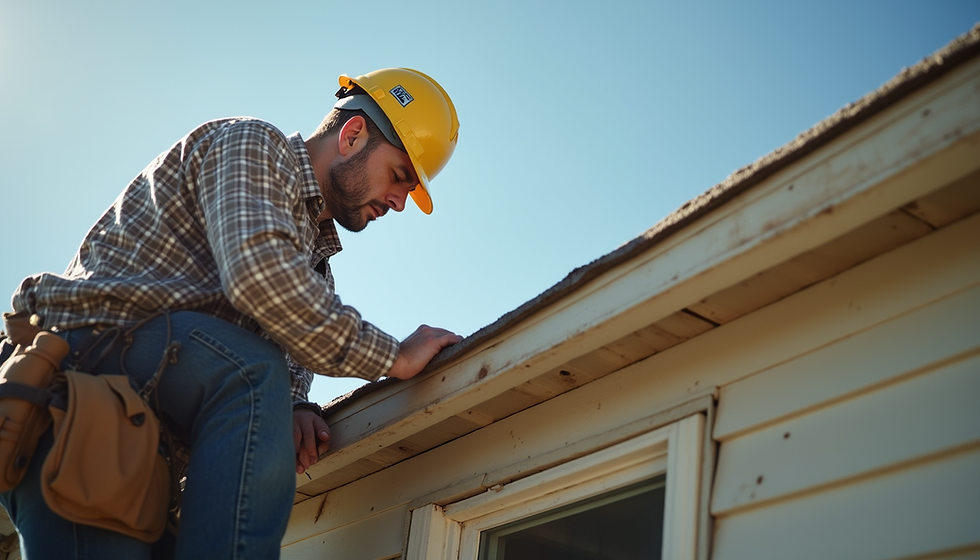
Property inspectors play a crucial role in assessing the safety and condition of homes. Without their expertise, buyers may face unforeseen repair costs, which could weigh heavily on their finances. A thorough inspection helps identify various issues ranging from structural damage to pest infestations.

Beyond just identifying problems, a competent property inspector also offers peace of mind. They provide buyers with a comprehensive report detailing the property's condition, which can empower buyers in their negotiations.
What Makes a Property Inspector Certified?
Certification is a key distinguishing factor in the inspection industry. A certified property inspector has undergone extensive training, passed rigorous exams, and adhered to a strict code of ethics. This contrasts sharply with inspectors who lack formal training and credentials.
For instance, the National Association of Certified Home Inspectors (NACHI) requires its members to complete continuing education and adhere to their standards. This ensures that certified inspectors are constantly up-to-date with the latest building codes and industry practices.

Certified inspectors typically have a breadth of knowledge that equips them to recognize potential issues that may not be apparent to the untrained eye. This can save buyers considerable time and money in the long run.
How long does it take to become a home inspector in Colorado?
In Colorado, becoming a home inspector involves several steps, including education and practical experience. Generally, aspiring home inspectors must complete a minimum of 80 hours of classroom training and 40 hours of field training. This process can take about three to six months depending on the individual's commitment to the coursework.
After completing the training, candidates must pass a state-approved exam. Additionally, many choose to become members of national organizations, such as NACHI or ASHI, for additional credibility.

While the path may seem time-consuming, these steps are crucial in ensuring that home inspectors are properly skilled to evaluate homes effectively. In Colorado, as elsewhere, this level of training differentiates certified property inspectors from their unlicensed counterparts.
The Benefits of Hiring a Certified Property Inspector
One significant advantage of hiring a certified property inspector is the level of service you receive. Certified professionals are typically more detail-oriented and thorough than those without certification. They follow standardized processes that ensure nothing is overlooked during inspections.
Moreover, certified inspectors often have liability insurance. This protects them and their clients in the event that something is missed during an inspection. A comprehensive insurance policy serves as an additional layer of security for buyers.
In addition, many certified property inspectors provide warranties on their services. This means that if an issue arises shortly after an inspection, the inspector may assist in addressing it at no extra cost. Such assurances foster trust between the inspector and the clients.
Statistics That Matter
According to a study conducted by the National Association of Realtors, over 80% of buyers agree that a home inspection is fundamentally important to their buying process. Additionally, homes inspected by certified professionals often sell for 3-5% more than those that are uninspected. These statistics highlight the importance of hiring a credible inspector.
What to Expect During an Inspection
When hiring a certified property inspector, expect a comprehensive assessment that typically lasts between 2-3 hours for an average-sized home. The inspector will evaluate various systems, including:
Roofing: Checking for wear, tear, or damage.
Structural Elements: Analyzing the foundation, walls, and framework.
Electrical Systems: Testing wiring and outlets for functionality.
Plumbing: Inspecting for leaks and checking the condition of pipes.
Heating and Cooling Systems: Evaluating performance and safety.
After the inspection, the inspector will compile a thorough report that outlines findings, necessary repairs, and potential safety hazards. This report can prove invaluable in negotiations with the seller.
Choosing the Right Inspector
When selecting a property inspector, it’s essential to do your due diligence. Look for recommendations from trusted sources, read online reviews, and request references. Ensure that the inspector you choose is certified, preferably through recognized organizations. Asking questions like, "What items do you inspect?" and "What is your experience?" can also provide insight into their qualifications.
A good certified property inspector will not only answer your questions but will take the time to explain their findings. This means they will help you understand the current condition of a property, empowering you to make an informed decision.

Final Thoughts
Hiring a certified property inspector provides peace of mind during a significant investment like home buying. Their expertise, insurance, and commitment to quality supply invaluable benefits that generally offset the costs associated with their services.
As buyers navigate the complexities of purchasing a home, armed with informed insights from certified inspectors, they can feel more confident in their decisions. Investing in proper inspections ensures a sound investment for the future and minimizes unexpected surprises along the way.
For those seeking to further their knowledge on this subject, exploring resources like those provided by a certified property inspector can offer deeper insights into home inspections and best practices.

Comments